By Angela Simmons
Water quality within dental practices often goes unnoticed until a serious issue arises. Outbreaks of infection tied to dental unit waterlines in places like Anaheim, Georgia, Maryland, and Virginia brought this critical issue into the spotlight. Even so, waterline maintenance remains a misunderstood area of infection control in many practices.
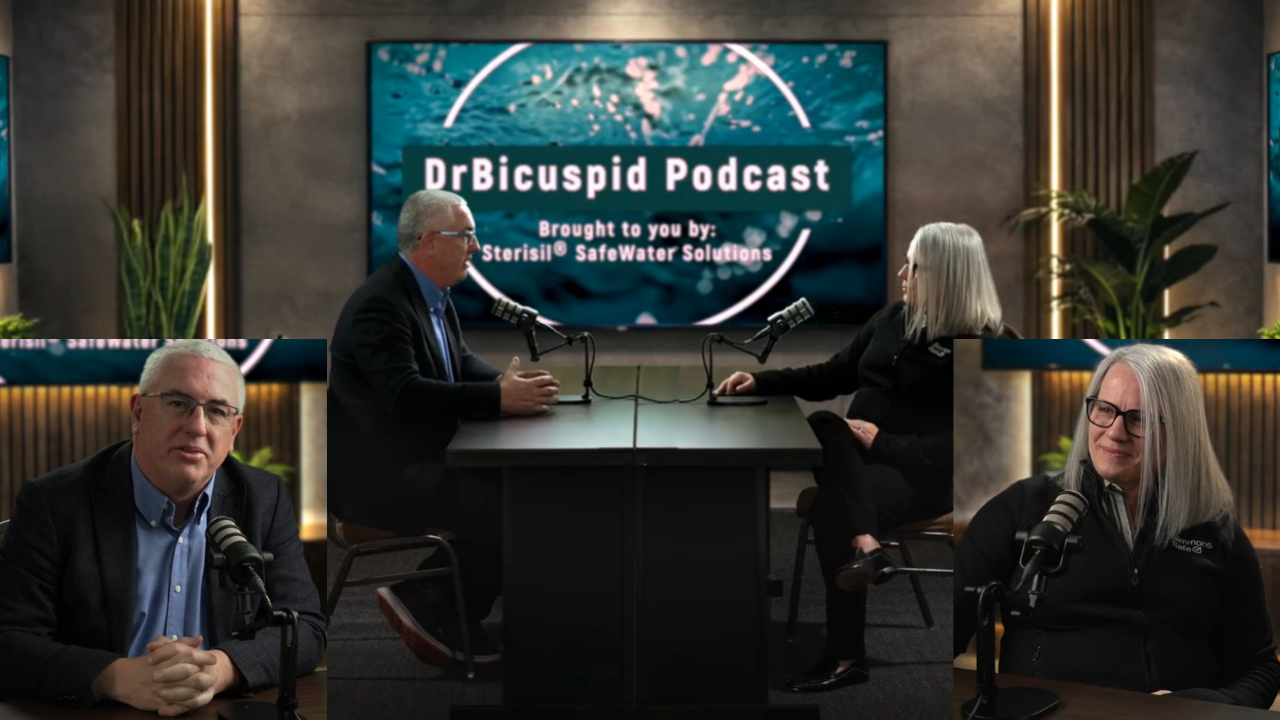
Kevin Henry, Editor-in-Chief for DrBicuspid.com and founder of Dental Assistant Nation, recently sat down with Angela Simmons, founder of the consulting business Simmons Safe. Angela travels across the US evaluating risk in medical and dental practices, with a major focus on infection control and water safety. Her insights reveal a widespread lack of education, overwhelming staff workloads, and a desperate need for standardized protocols in the dental industry. Here’s a closer look at why waterline safety is often ignored, and what dental practices can do to address it.
The Historical Blind Spot in Dental Education
Water safety in dental practices has not been part of the conversation for very long. Simmons points out that for decades, dental unit waterlines simply were not part of the curriculum.
Having started as a dental assistant over 30 years ago before becoming a department chair for a CODA-accredited dental assisting program, Simmons knows the educational landscape well. During her decade as an educator, she noticed a glaring omission. The core textbooks used to train dental assistants contained absolutely no information about water safety. Even the dedicated infection control materials did not address it.
Because of this historical blind spot, many dental professionals genuinely do not know they should be testing and treating their water. When consultants ask practices how they ensure patient water is safe, they frequently meet surprised looks. The industry simply has not discussed this risk long enough for it to become common knowledge.
DSO Compliance: When Information Fails to Trickle Down
The dental landscape has shifted dramatically over the last decade, largely due to the rise of Dental Service Organizations (DSOs). DSOs bring multiple private practices under one corporate umbrella. You might assume that larger organizations would have stronger compliance systems, but that is not always the case.
When individual practices join a DSO, they bring their own assumptions, habits, and processes. A DSO may employ a knowledgeable compliance manager who establishes strong standard operating procedures. It may also make the right products available for order. However, that top-level knowledge does not always reach frontline employees.
Transitioning from a private practice to a DSO can create significant stress for staff members. As daily routines change, adding new compliance tasks to an evolving workflow can cause important steps to fall through the cracks. Communication across levels needs to improve to ensure that every office follows the same critical safety measures.
The Unfair Burden on Dental Assistants
Dentistry faces a persistent problem regarding how it manages its workforce. Practices tend to place the most responsibility on the people who receive the least amount of pay and respect: the dental assistants.
Dental assistants handle an enormous number of daily tasks. Practices expect them to manage sterilization, document cycles, conduct spore testing, order supplies, clean rooms, check fire extinguishers, sweep floors, and help at the front desk. Adding dental unit waterline maintenance to that list can easily push an already overworked employee beyond capacity.
When you tell a dental assistant what to do without explaining why it matters, and then give them too much work, they have to prioritize. Naturally, they prioritize the tasks the dentist can actually see. A dentist will immediately notice missing supplies or unsterilized instruments. They will not necessarily notice skipped waterline maintenance—until a patient gets sick.
Standardizing Protocols for Profitability and Safety
There should be no guesswork in risk management. To improve both safety and profitability, dental practices need to streamline their processes.
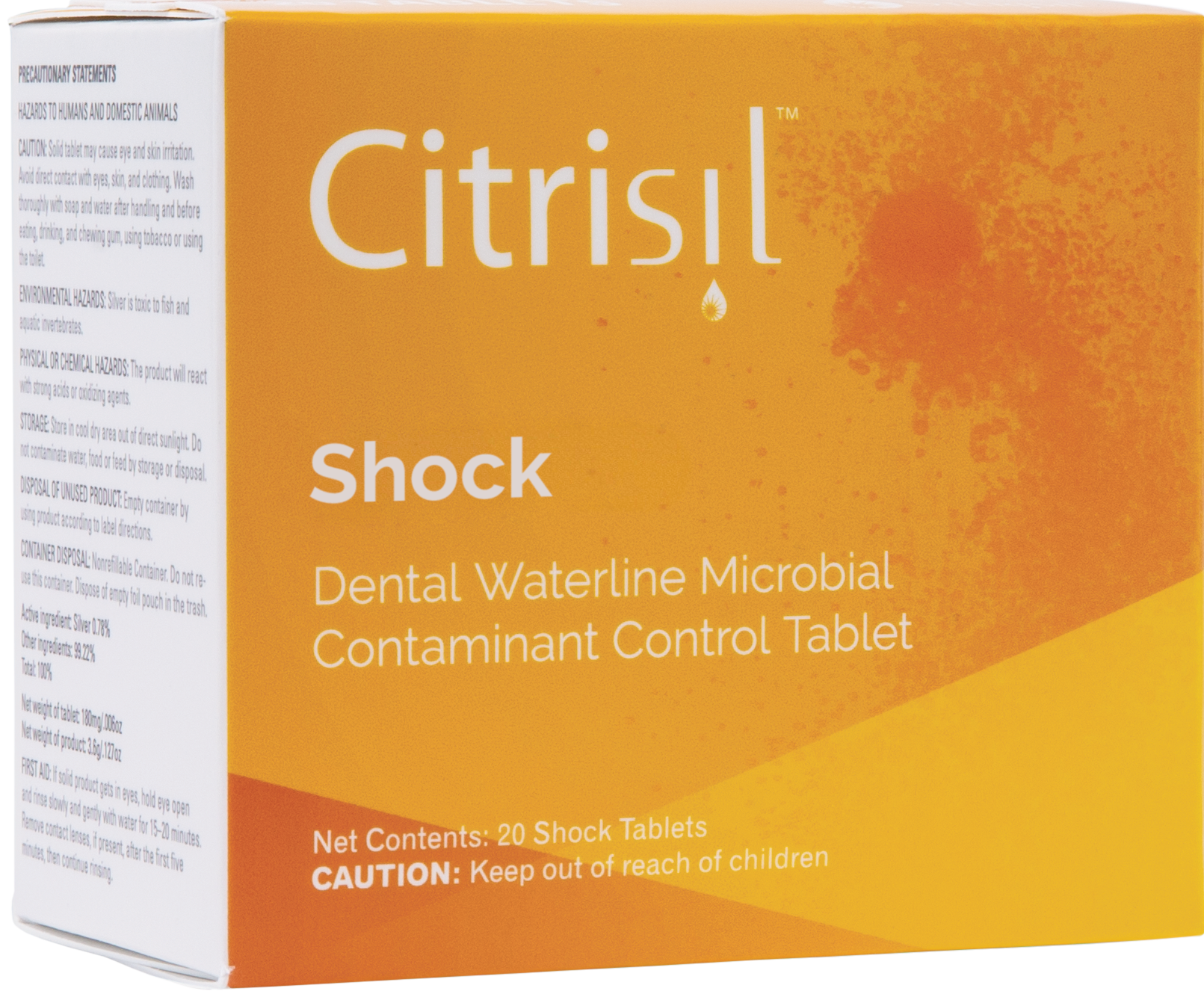
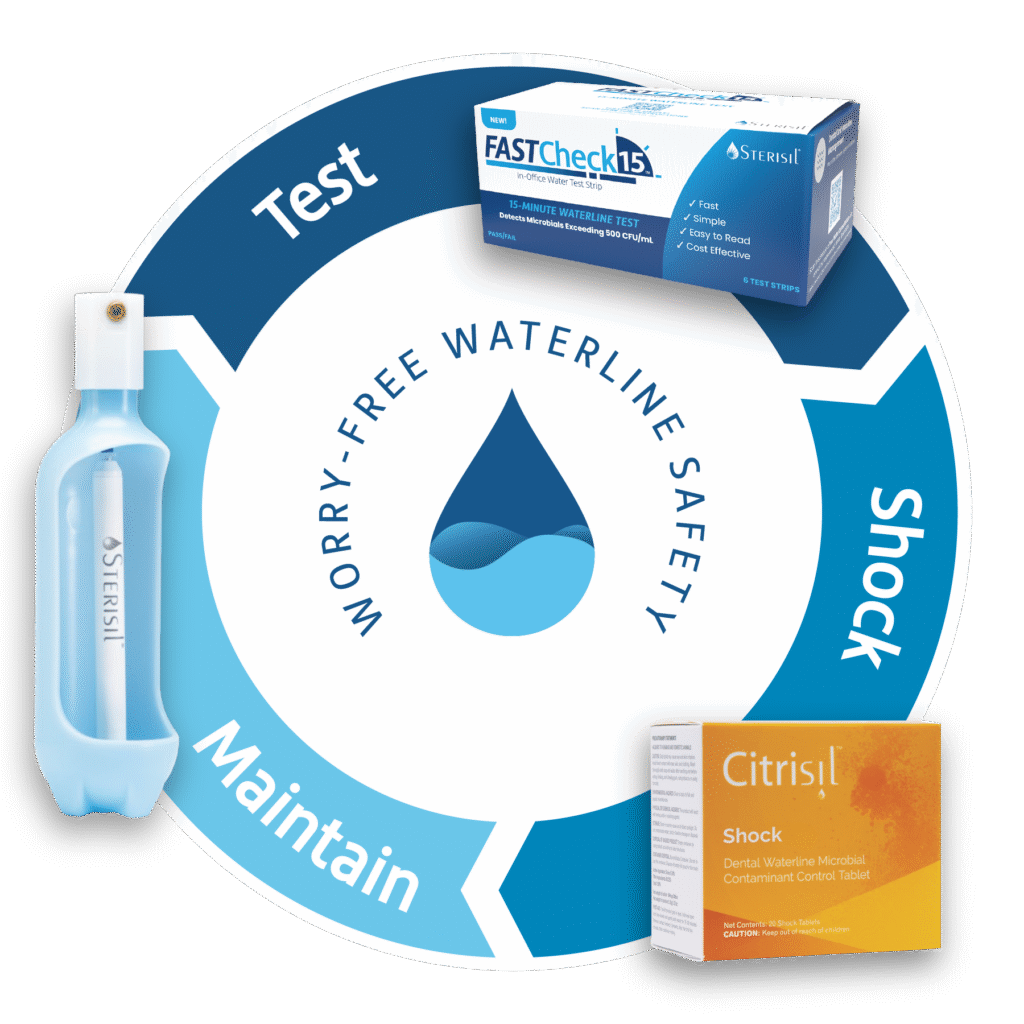
A mix of inconsistent protocols drains time and money. Simmons regularly visits offices that purchase the right products but fail to use them correctly. An office might have a Sterisil® Straw in its water bottle, yet leave Citrisil™ Shock and FASTCheck15® unused on a shelf (yes, this has happened to Angela before). Employees need clear, integrated training on how these products work together as part of one cohesive waterline safety protocol.
A Comprehensive Dental Water Safety Protocol
As part of the Sterisil® SAFEWater Solution, these products are designed to work together using the same silver ion technology, making the protocol faster, easier, and more effective. In the SAFEWater Solution sequence, FASTCheck15® helps verify whether the water needs attention, Citrisil™ provides shock treatment when needed, and the Sterisil® Straw supports ongoing maintenance. Because the chemistry is compatible, staff do not have to remove the straw before shocking the lines. Eliminating that extra step simplifies the protocol, reduces opportunities for error, and makes compliance more realistic in a busy practice.
The more steps you require an employee to complete, the less likely they are to follow through.
The same principle applies to DUWL safety. When practices change products or use inconsistent routines across operatories, staff are more likely to miss steps or apply the protocol inconsistently. Standardizing DUWL products and processes helps simplify training, reduce confusion, and improve compliance.
Actionable Steps for Dental Practices to Help Improve Dental Water Safety
To protect your patients and your bottom line, consider the following steps:
- Evaluate all risks: Look closely at OSHA, HIPAA, general infection control, and your dental unit waterlines.
- Standardize purchasing: Choose one reliable product for each specific task across all locations to leverage purchasing power and simplify training.
- Train thoroughly: Teach your staff not just how to use products, but why those products matter for patient safety.
- Respect your staff: Retaining a well-trained dental assistant is far more profitable than constantly replacing burnt-out employees in a high-turnover workforce.
By streamlining operations and treating staff with the respect they deserve, dental practices can reduce guesswork in risk management and create a safer environment for everyone.