By Sherrie Busby, EDDA, CDSO, CDIPC
Every dental practice wants to run like a well-oiled machine. You want your team to be confident, your patients to be safe, and your daily operations to flow without a hitch. But what happens when a key team member leaves, or a new piece of equipment arrives? Chaos can easily slip through the cracks if you lack clear direction.
Enter the Standard Operating Procedure (SOP).
Far from being just a boring stack of paperwork, SOPs are the backbone of a successful dental practice. They protect your team, ensure compliance, and guarantee that every patient receives the highest standard of care. Let us explore why SOPs are non-negotiable, how to get your team to actually use them, and what they look like in action.
Why SOPs are Your Practice’s Best Defense
When you operate without written procedures, you open your practice up to significant risk. The biggest danger? Your team simply does not know what to do, or worse, they guess.
Without established guidelines, new hires learn by watching existing staff. While this sounds fine in theory, it often means they pick up bad habits instead of best practices. Written SOPs remove the guesswork. They ensure consistency across your entire team, creating a baseline standard for every procedure, from greeting patients to sterilizing instruments.
Combating the 30% Turnover Rate
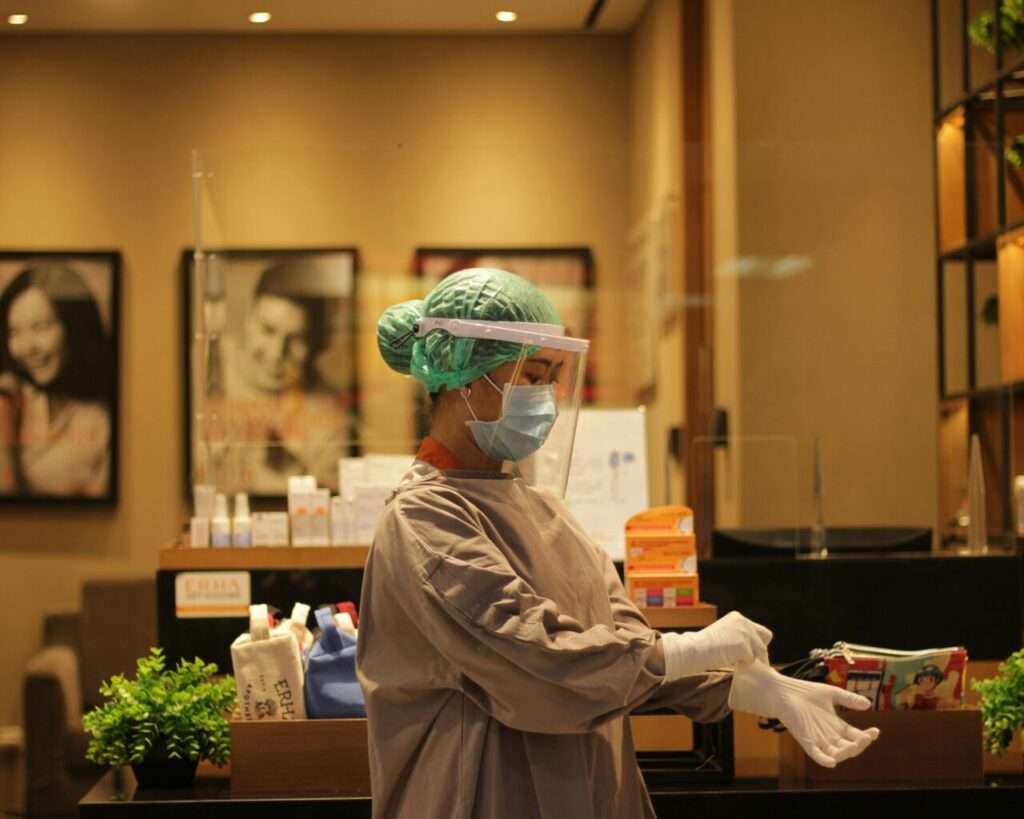
Did you know that dental assistant turnover currently sits at upwards of 40%? That is a massive number, and it represents a massive challenge for practice owners and managers.
When team members bounce from office to office, they carry their previous training—and their previous bad habits—with them. One office might have strict protocols, while the next has none. This creates a steep and frustrating learning curve for new hires.
By having clear SOPs in place, you provide a stable, reliable framework for onboarding. New dental assistants do not have to rely on their old habits; they have a clear “learning Bible” that dictates exactly how your specific office operates.
Getting Your Team on Board
You can write the most detailed, beautiful SOPs in the world, but they are useless if your team ignores them. Buy-in is crucial.
To get your team to follow the rules, they need to understand what is in it for them. How does this protocol protect them, the practice, and the patients? When people understand the “why” behind a rule, compliance naturally increases.
The best way to generate buy-in? Involve your team in the creation process. Your dental assistants and hygienists are the ones doing the daily work. They know the challenges and nuances of the job better than anyone else. Let them have a voice in developing the SOPs. When they help build the framework, their commitment to following it grows exponentially.
Keeping Your SOPs Alive
An SOP is not a document you write once and shove into a dusty filing cabinet. It should be a living, breathing guide.
Keep your procedures in an easily editable format, like a Word document. OSHA regulations require you to update these documents at least annually. However, best practice dictates that you should pull them out and revise them every time there is a change in your office.
Did you bring in a new service, like dental implants? Update the SOP. Did you switch to a new cleaning product? Update the SOP. Keeping these documents fluid ensures they always reflect the reality of your daily operations.
SOPs in Action: Dental Waterline Maintenance
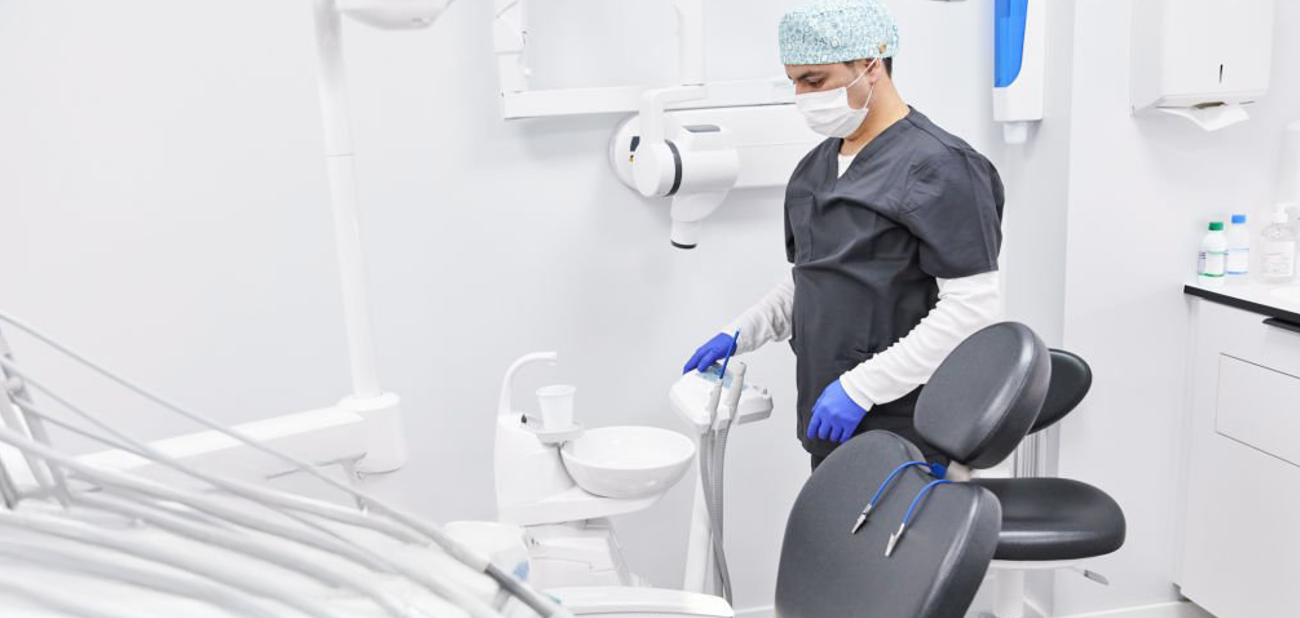
To see how an SOP truly works, let us look at a critical area of dental practice safety: waterline maintenance.
Dentistry is mostly the same from clinic to clinic, but every office has its own specific flavor and preferred products. Your SOP needs to explicitly name the products you use, so there is no confusion.
For example, if your office relies on silver-based cleaning agents for your waterlines, write that down. Silver is a highly effective cleaning agent—even used by NASA—and it takes the guesswork out of waterline safety.
Here is what a waterline SOP might look like using specific, compatible products:
Monthly Testing
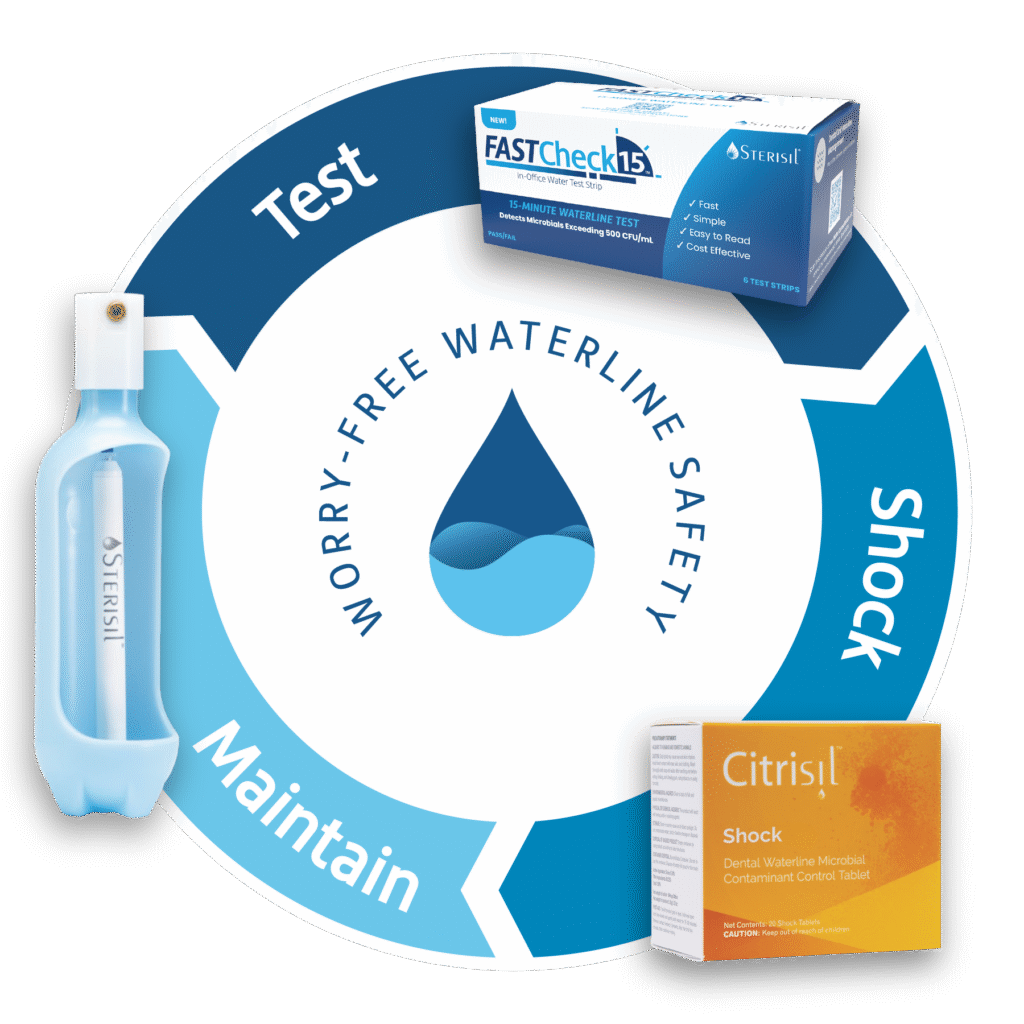
Write down exactly how and when you test your water. For example: “We use FASTCheck15® to test our waterlines every single month. Take a pooled sample from each operatory on the first Friday of the month.”
Routine Shocking
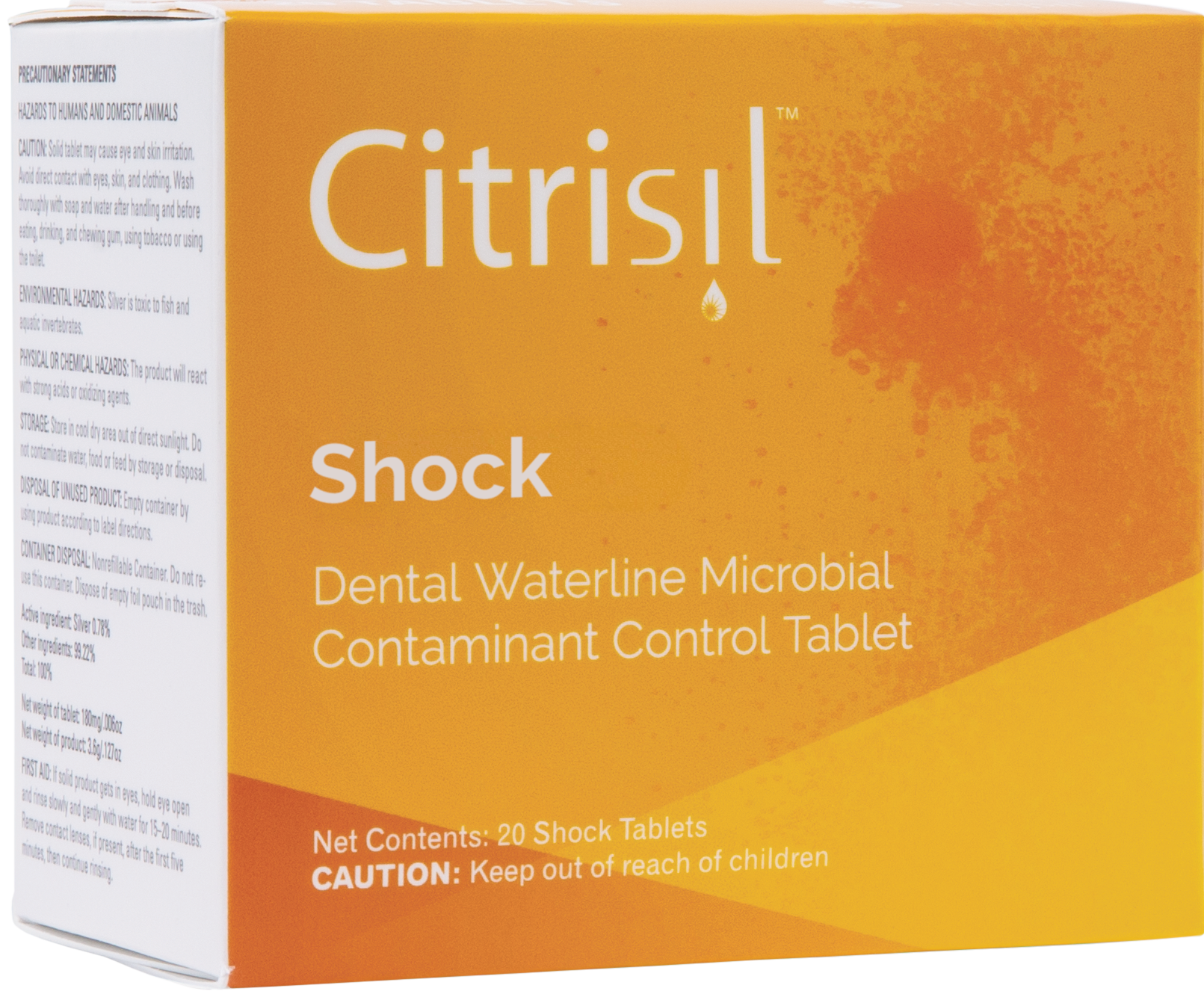
Detail your shocking schedule. “We shock our lines monthly using Citrisil™ Shock. We initiate the shocking process on Friday afternoon, allow it to sit over the weekend, and purge the lines completely on Monday morning.” Having this written down gives your team the flexibility to know exactly when the task fits into their workflow.
Daily Treatment and Maintenance
Specify your daily treatment tools. By naming products like Sterisil® Straw, Citrisil™ Shock, and FASTCheck15®, you eliminate confusion. A new hire who previously used a different system now knows exactly what to use and when to use it, drastically reducing the training curve.
Take the Guesswork Out of Dentistry
At the end of the day, SOPs are about making life easier. They organize your practice, protect your patients, and empower your team to do their best work without second-guessing every step.
Take a look at your current protocols. Are they written down? Are they updated? If not, gather your team this week and start documenting. It might take a little effort upfront, but the peace of mind and operational efficiency you gain will be well worth it.