When it comes to dental unit waterline (DUWL) maintenance, daily treatment products often get most of the attention. But even with a maintenance program in place, one important step should never be overlooked: monthly shocking.
Think of your waterline maintenance protocol as a three-step strategy: Test. Shock. Maintain.
Each step serves a distinct purpose, and together they help support cleaner, more consistent water quality throughout the year.
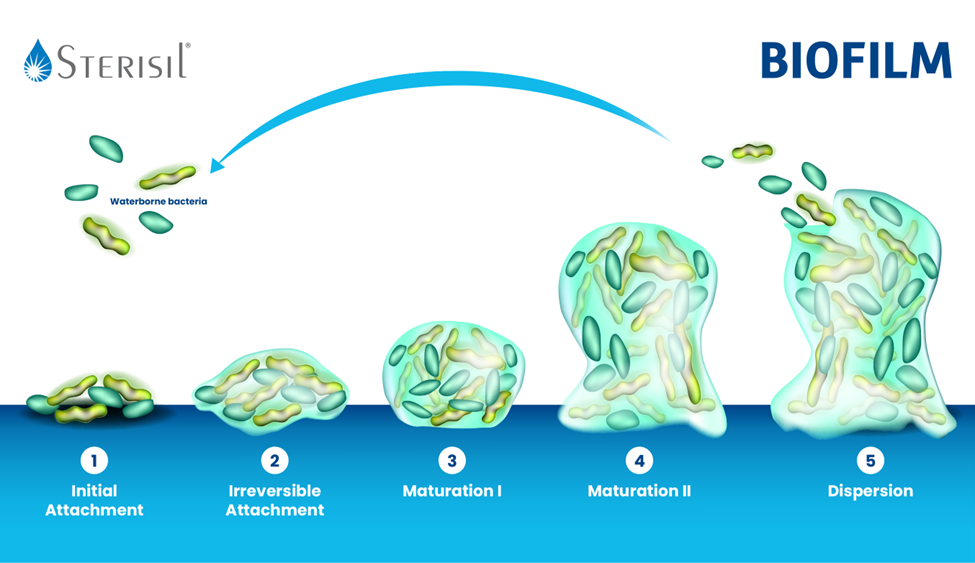
The Challenge: Biofilm Doesn’t Stop Growing
Dental unit waterlines provide an ideal environment for microorganisms to attach to tubing surfaces and form biofilm over time. They’re dark, narrow, and prone to dead legs where water can sit stagnant (bacteria love this environment!).
Once established, biofilm can become increasingly difficult to manage. Even practices that use daily treatment products experience bacterial buildup if shock treatments are neglected.
That’s because daily treatment and shock are designed to do different jobs. Maintenance products help control bacterial growth between treatments, while shocking helps address buildup that accumulates over time.
Why Testing Comes First
Before shocking your waterlines, it’s important to understand what’s happening inside them.
Routine water testing can help practices:
- Establish a baseline for water quality
- Identify potential issues before they become larger problems
- Verify that maintenance protocols are working as intended
- Track long-term performance
Without testing, you’re making assumptions. With testing, you’re making informed decisions. That’s why the most effective waterline programs start with testing before moving to shock treatment.
Why Monthly Shocking Matters
Some offices view shocking as something that only needs to happen after a failed water test. While it’s true that you should remediate a failed test with a shock treatment, shocking monthly is most effective when viewed as preventive maintenance.
Routine shock treatments help address bacterial buildup before it becomes a larger concern and support the effectiveness of your overall waterline maintenance program. Waiting until a problem develops can make remediation more difficult than maintaining a consistent schedule from the start.
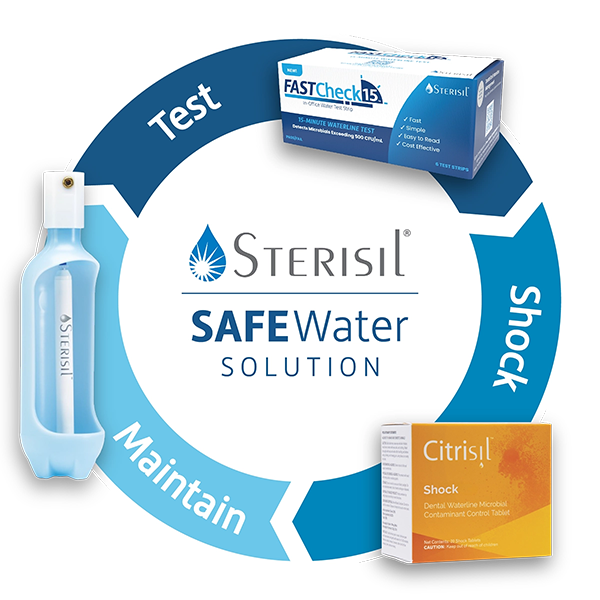
The Three-Step Waterline Maintenance Strategy
Step 1: Test
Water testing provides the information needed to evaluate and improve your program.
Step 2: Shock
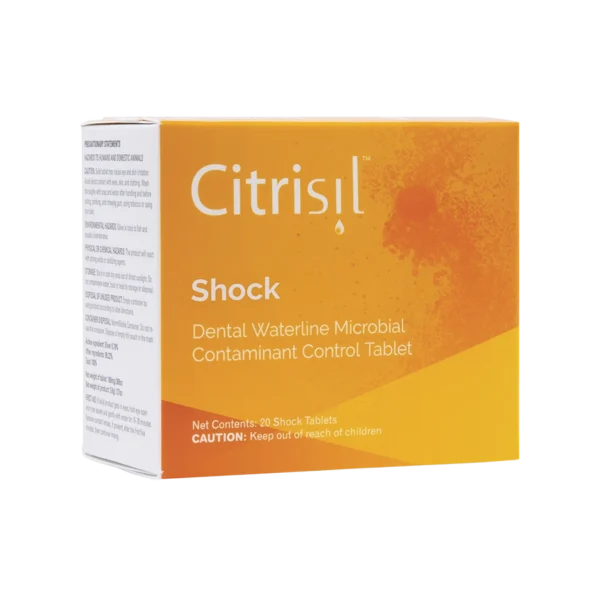
Monthly shocking helps address bacterial buildup within dental unit waterlines.
Step 3: Maintain
Continuous treatment products help control bacterial growth between shock treatments and support ongoing water quality goals.
When these three components work together, practices have a stronger foundation for long-term waterline management.
Make Shocking Part of Your Routine
Monthly dental waterline shocking isn’t a replacement for testing or continuous treatment. It’s one piece of a complete strategy.
This Shocktober, take a moment to review your protocol and ask yourself: Are you testing, shocking, and maintaining?
A consistent approach today supports cleaner waterlines and greater confidence in your water quality program throughout the year.
Learn more about Citrisil Shock here.