When patients sit in a dental chair, they assume their safety is a top priority. They believe practices already have reliable systems in place to help ensure that everything, including the water used during treatment, is safe. However, as the dental industry continues to deepen its understanding of water safety, many practices are realizing that their current maintenance protocols leave room for error.
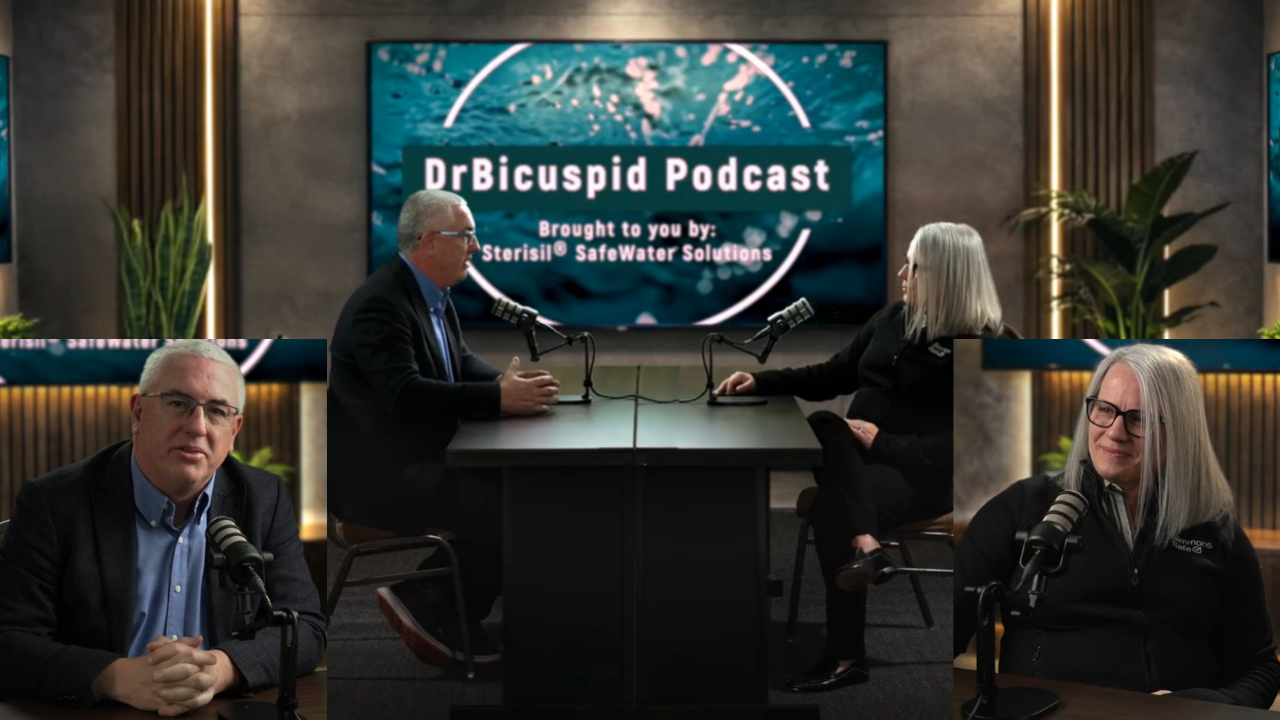
In this podcast episode hosted by Kevin Henry, founder of Dental Assistant Nation, dental water safety expert Angela Simmons shared her insights on how clinics can improve their processes. By moving away from outdated methods and adopting solutions with product compatibility, like Sterisil’s silver ion technology, dental practices can better protect patients while also making protocols easier for staff to manage.
Here’s a closer look at why updating your waterline maintenance protocol can benefit your practice.
The Hidden Challenges of Waterline Maintenance
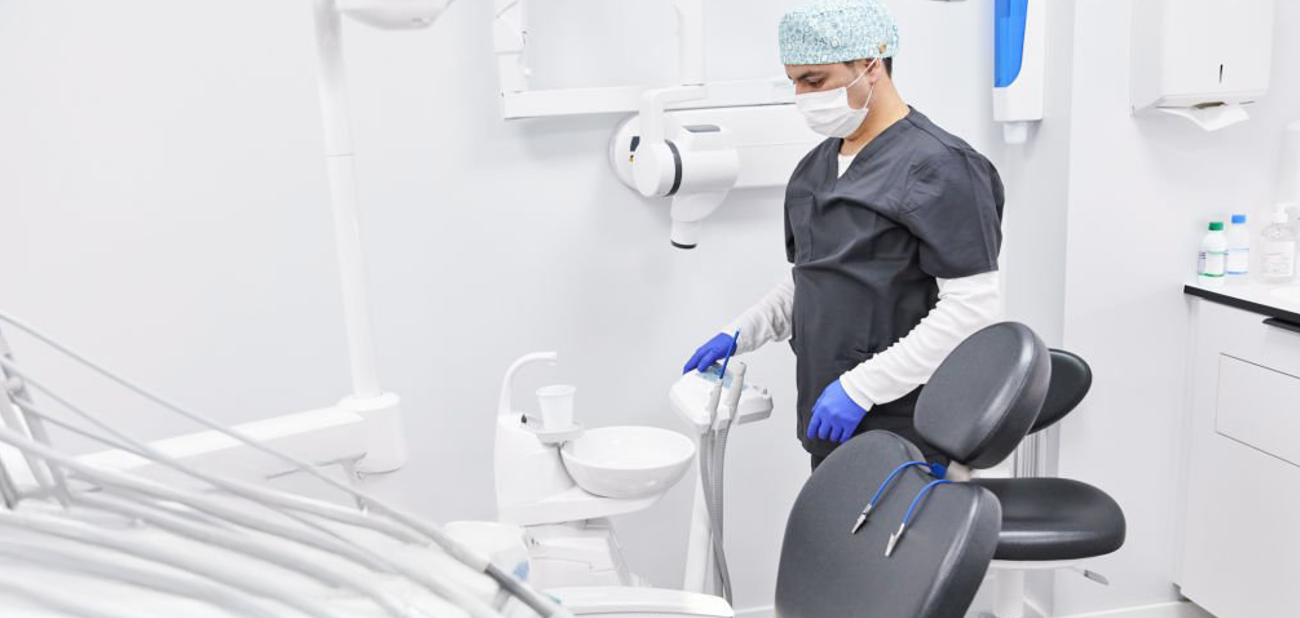
Dental assistants are often the busiest people in the practice. When they walk in first thing in the morning, they already have a long list of tasks to complete before the first patient arrives. Because of that workload, relying on daily waterline maintenance products can introduce opportunities for human error.
Many practices use daily tablets to treat their dental unit waterlines. While tablets can be effective when used correctly, they require constant attention. A busy assistant may forget to drop a tablet into the water bottle during the morning rush. Another common issue arises halfway through the day: if a water bottle runs low and a staff member tops it off with fresh water, they may not know whether they should add another tablet. Adding too many tablets wastes money, but skipping them dilutes the chemical concentration and leaves the waterlines more vulnerable to bacteria.
That kind of variability can make daily tablets a less reliable option for large practices and Dental Support Organizations (DSOs) that need consistent results across multiple operatories.

Why Silver Ion Technology is a Gamechanger
To remove the guesswork from waterline maintenance, many practices are moving toward continuous treatment straws. Simmons points specifically to the benefits of the silver ion technology used in Sterisil® products.
The “Set It and Forget It” Advantage
Unlike daily tablets, a treatment straw like the Sterisil® Straw provides a “set it and forget it” solution. Once installed, the straw treats the water continuously for 365 days. This eliminates the daily burden on dental assistants. They no longer need to remember to drop in a tablet or worry about chemical ratios when topping off a bottle.
Superior Product Compatibility
One of the most significant advantages of Sterisil’s silver ion technology is its product compatibility. In the past, practices using certain straws had to physically remove the straw before shocking their waterlines. This added unnecessary steps to an already tedious process.
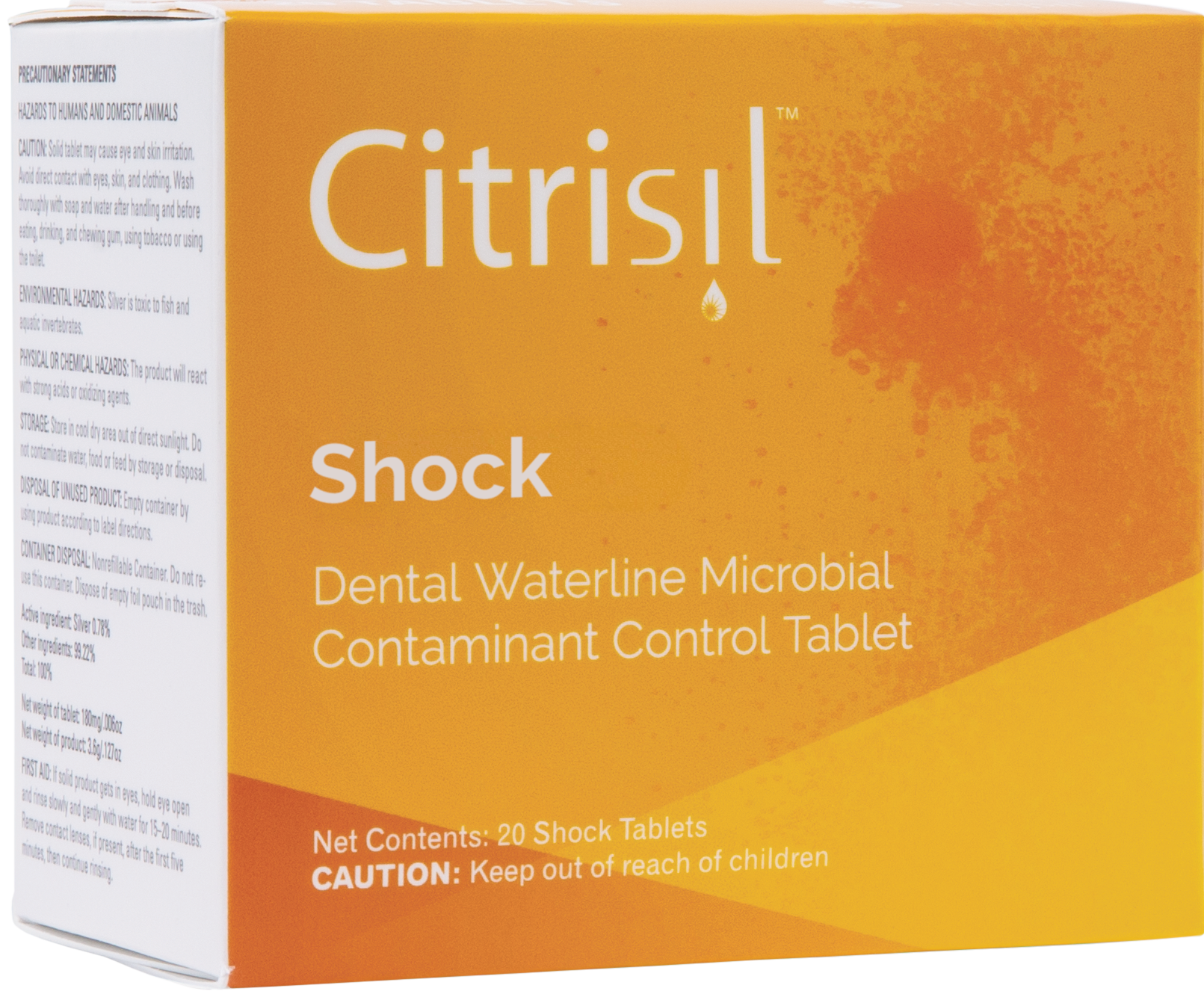
With Sterisil®, the maintenance straw and the shock treatment work together seamlessly. Staff can simply drop a Citrisil™ Shock tablet into warm water, pull it through the lines, and let it sit overnight—all without removing the Sterisil® Straw. The silver ion formula is highly stable, meaning the shock treatment will not damage the straw or cause the active ingredients to degrade prematurely.
A Better Patient Experience
Patient comfort is another major factor. Some waterline treatments, like those based on iodine, can leave a noticeable taste or smell in the water. Silver ion technology is biocompatible and tasteless. Patients will not notice any strange flavors or chemical odors, ensuring a more pleasant experience in the chair.
Testing Protocols That Actually Work
Even with the best maintenance products, regular testing is vital to ensure your protocols are working. Unfortunately, many practices still rely on outdated and inaccurate testing methods.
Simmons shared a story about a DSO with 40 offices that previously used bleach to shock their lines and paddle tests to check their water quality. Bleach is not EPA-approved for dental unit waterline treatment or shock disinfection and does not include instructions for use specific to dental waterlines. Furthermore, paddle tests require staff to incubate the samples manually, often at room temperature, and then interpret the results by looking at bacterial growth over several days. This process is highly subjective, time-consuming, and prone to error.
Streamlining Your Testing Strategy
To build a truly effective safe water protocol, practices need testing methods that provide clear, actionable results. Simmons recommends a combination of two dependable testing methods:
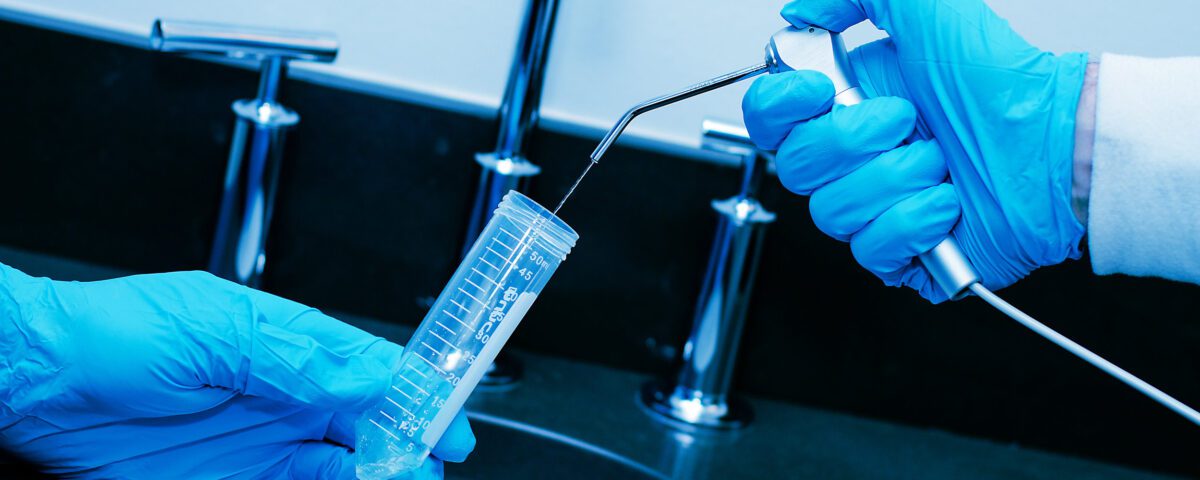
Annual R2A Lab Testing: Once a year, practices should take water samples and mail them to a laboratory for R2A testing. This provides an undeniable, scientific report on the specific microbial count in your water at the time of testing. While lab testing is incredibly accurate, it does take time to get the results back through the mail.
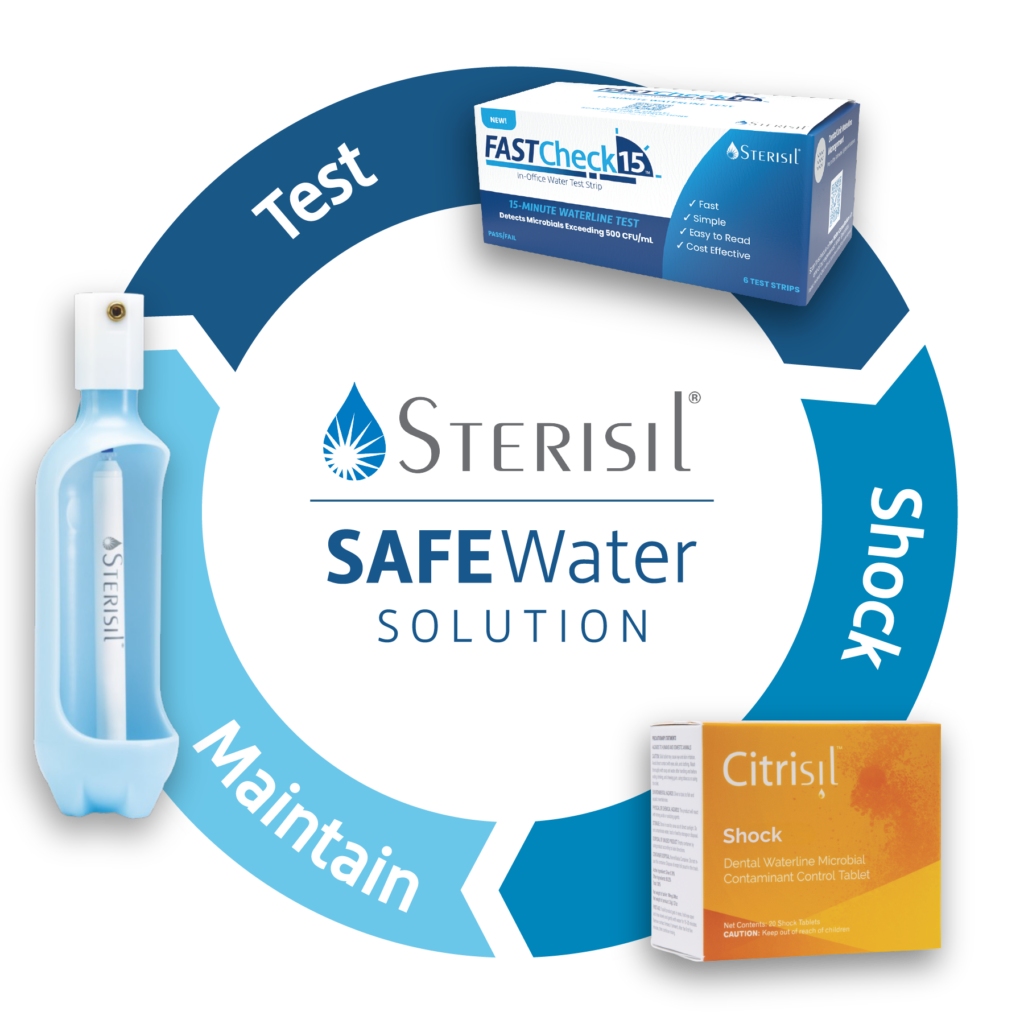
Routine FASTCheck15® Testing: To monitor water quality between annual lab tests, practices should use the FASTCheck15® in-office waterline test. This simple, in-office test provides results in just 15 minutes. The process is similar to reading a COVID test—one line means the water is safe, and two lines mean the lines need to be shocked. By using FASTCheck15® on a consistent basis (Sterisil recommends monthly), your staff can catch potential issues immediately and remediate them the same day.
Creating a Seamless Workflow for Your Practice
At the end of the day, dental waterline maintenance should not be a massive headache for your staff. By utilizing systems with product compatibility that are designed to work together, you can create a protocol that requires the fewest number of steps possible.
Equipping your operatories with an annual Sterisil® Straw, shocking the lines quarterly with Citrisil™, and monitoring water quality with FASTCheck15® creates a robust, foolproof system. This streamlined approach takes the pressure off your dental assistants, supports compliance consistency across your entire organization, and most importantly, helps ensure that every patient receives safe, clean water during their visit.