
Infection control starts with patient safety. Every protocol, test, log, and training requirement exists to help create a safe environment for patients and dental teams alike. At the same time, strong infection control programs help practices stay compliant, avoid unnecessary disruptions, and maintain the trust they’ve worked hard to earn.
That’s one reason recent infection control cases in Colorado have caught the attention of many dental professionals.
Over the past several weeks, two Colorado dentists faced disciplinary action after inspections identified multiple infection control and documentation deficiencies. Findings included issues related to missing dental unit waterline testing or treatment logs, sterilization procedures, inconsistent spore testing, and missing training records.
While every situation is different, these cases offer an important reminder: infection control isn’t just about having protocols in place. It’s about consistently following them, documenting them, and ensuring the entire team understands them.

The Common Theme: Documentation Matters
One of the most notable takeaways from the Colorado dental inspections is that several of the cited deficiencies involved documentation and recordkeeping.
Inspectors identified concerns including:
- Inconsistent spore testing records
- Missing infection control manuals and training logs
- Missing exposure management protocols
- Missing dental unit waterline testing or treatment logs
- Lack of documented waterline testing programs
- Incomplete compliance records and procedures
For many practices, this may sound familiar.
Modern dental offices juggle countless compliance responsibilities. Between patient care, staffing, scheduling, sterilization monitoring, waterline maintenance, OSHA requirements, and continuing education, it’s easy for documentation tasks to fall behind.
The challenge is that regulators, inspectors, and accreditation organizations can only evaluate what is documented. Even when teams are doing the right things every day, missing records can create unnecessary complications.
Infection Control Is About Simplicity
Most infection control issues don’t happen because a team intentionally ignores patient safety. More often, they occur when protocols become inconsistent over time.
A missed log entry here. A delayed waterline test there. Training records stored in multiple locations. Procedures that live in someone’s memory instead of a written protocol.
The more complicated a protocol is, the less consistently it will get done. When you think about your infection control protocols, do you think they could be simpler?
Why Dental Unit Waterlines Continue to Receive Attention
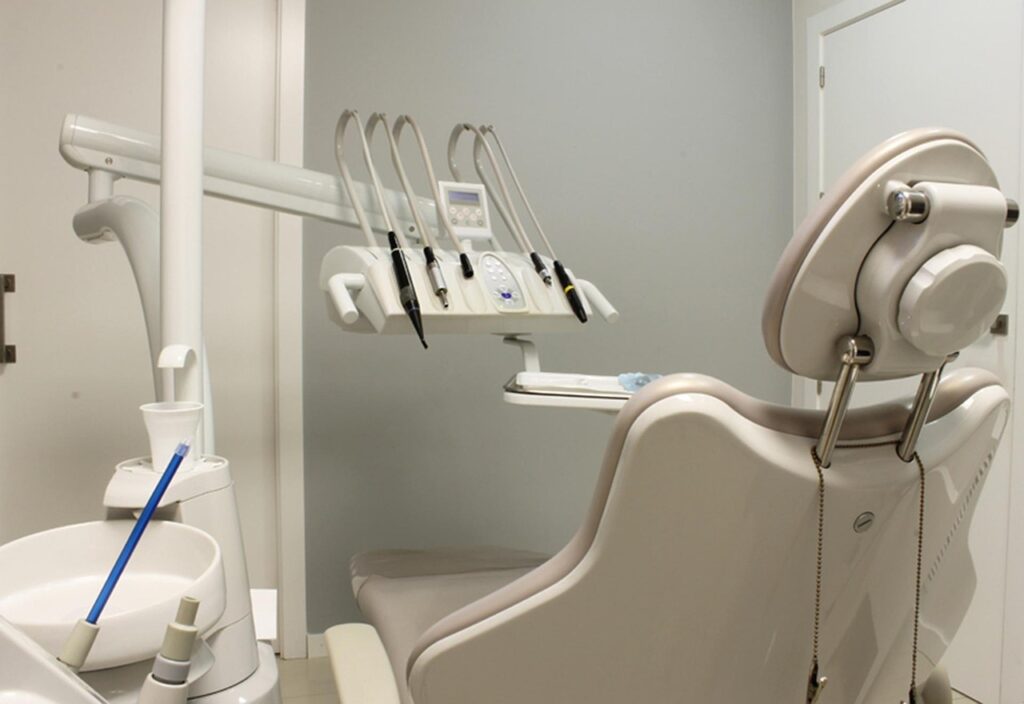
Dental unit waterlines remain an important component of any infection control program because untreated waterlines support biofilm growth.
Notably, missing waterline testing or treatment records were among the deficiencies identified during the recent Colorado inspections.
For practices, this serves as a valuable reminder to periodically review:
- Waterline treatment protocols
- Water quality testing schedules
- Documentation procedures
- Team responsibilities
- Corrective action processes for failed test results
Having a plan is important. Being able to demonstrate that the plan is being followed is equally important.
Could Infection Control Issues Affect a Practice?
In some cases, yes.
Depending on the circumstances, state dental boards may require additional training, corrective action plans, inspections, probationary periods, practice restrictions, or other disciplinary measures when significant deficiencies are identified. The recent Colorado cases resulted in probation for one dentist and suspension proceedings for another.
That isn’t meant to create alarm. Rather, it’s a reminder that infection control should be treated as an ongoing priority, not something that’s only reviewed when an inspection occurs.
Five Questions to Ask Your Practice This Week
The recent Colorado cases provide a good opportunity for every dental team to pause and evaluate their own processes.
Consider asking:
- Are our dental waterlines being treated according to manufacturer instructions?
- Do we have recent water quality test results readily available?
- Are treatment and testing records stored in a consistent location?
- Is our infection control training documented and up to date?
- Would we feel confident producing these records during an inspection?
If any of these questions give you pause, now may be a good time for a quick review of your protocols and documentation systems.
Compliance Is Easier When You Don’t Have to Manage It Alone
Keeping up with infection control requirements can feel overwhelming, especially when responsibilities are shared among multiple team members.
That’s why many practices look for solutions that support not only treatment protocols, but also education and documentation.
At Sterisil, we believe effective compliance comes from combining all three.
Effective Waterline Solutions
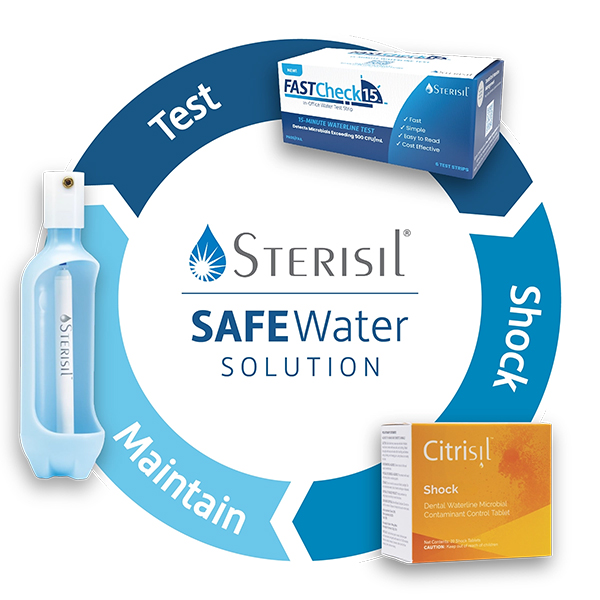
The Sterisil SAFEWater Solution helps practices establish and maintain a comprehensive dental waterline treatment program designed to support water quality goals and infection control efforts.
Simplified Documentation
The My Solutions Center Portal helps practices organize important testing records, treatment documentation, and compliance information in one convenient location, making recordkeeping easier and helping teams stay prepared year-round.
Continuing Education and Training
Because protocols are only effective when teams understand them, Sterisil also offers infection control and dental waterline continuing education opportunities designed to help practices stay informed on current guidance, best practices, and compliance expectations.
When products, education, and documentation work together, infection control becomes easier to manage and easier to sustain.
The Bottom Line
The recent Colorado inspections aren’t a reason for concern. They’re a reminder of what dental professionals already know: patient safety, compliance, and practice success all depend on strong infection control habits.
By reviewing protocols regularly, documenting key activities consistently, and providing teams with the education and tools they need, practices can build programs that protect patients, support staff, and stand up to scrutiny when it matters most.
Inspections may occur following complaints, investigations, or concerns reported to regulatory agencies. In the Colorado cases, inspections were initiated after complaints were filed.
Yes. Depending on the circumstances, dental boards may require training, probation, corrective actions, inspections, or other disciplinary measures.
Documentation helps demonstrate that testing and treatment protocols are being performed consistently and according to established procedures.
Practices should maintain records related to infection control training, spore testing, waterline treatment and testing, exposure control procedures, and other compliance activities.
Using documented workflows, centralized record storage, ongoing staff training, and structured waterline management programs can help make compliance easier and more consistent.